


Choosing between gas and electric sauna heaters comes down to room size, power availability, and runtime expectations. Here’s a clear, no-fluff comparison to help you decide for a commercial space.
Key Takeaways
- Gas heaters excel in large commercial rooms or where electricity is limited or unreliable—fast heat-up, long runtimes.
- Electric heaters shine in smaller spaces with stable power—steady, even heat and simpler installs.
- The “right” choice depends on room volume, available utilities, and runtime needs (e.g., all-day operation vs. scheduled sessions).
Deep Dive
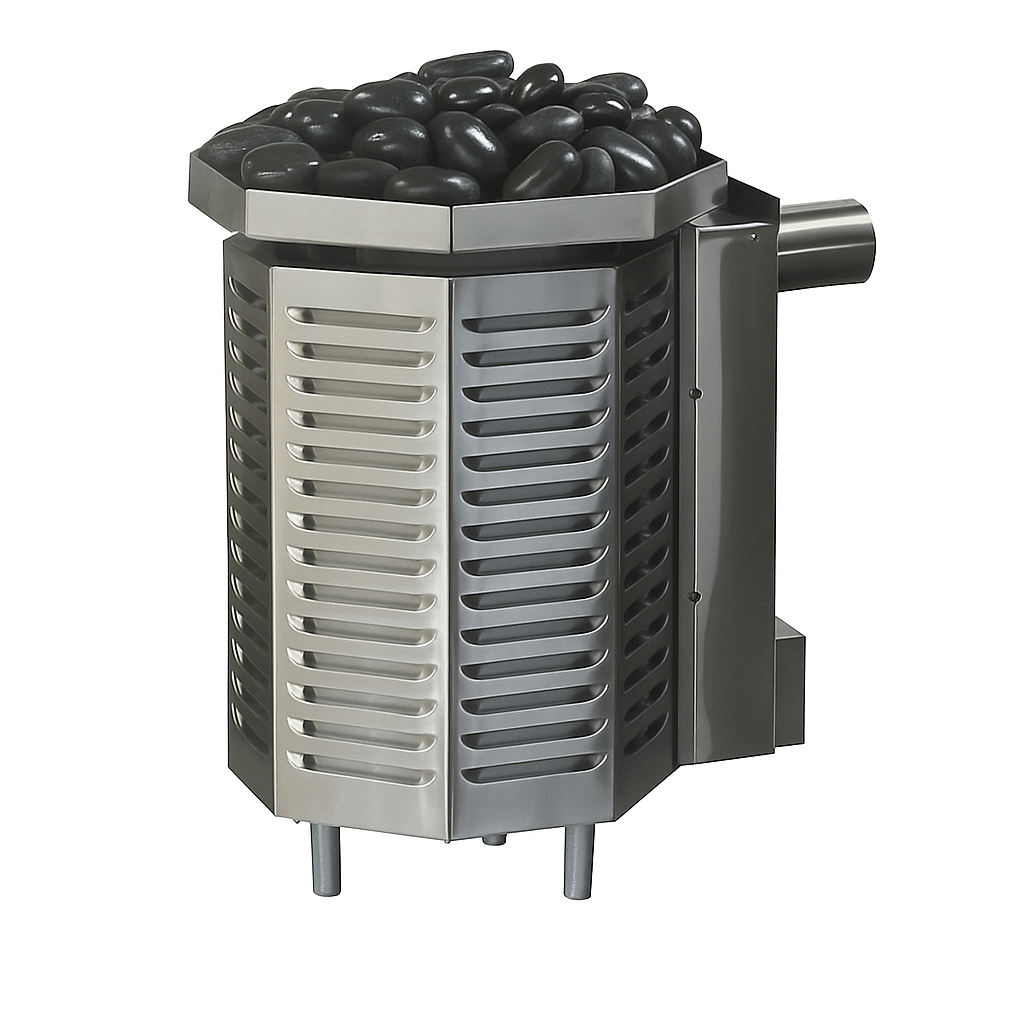
Gas sauna heaters are built for larger footprints and demanding schedules. They can run on natural gas or propane, heat big spaces quickly, and are well-suited when electrical capacity is tight. With robust construction and long duty cycles (often paired with 24-hour timers), they’re a fit for fitness clubs, spas, and multi-tenant facilities—just ensure proper venting per local code and your gas utility’s guidance.
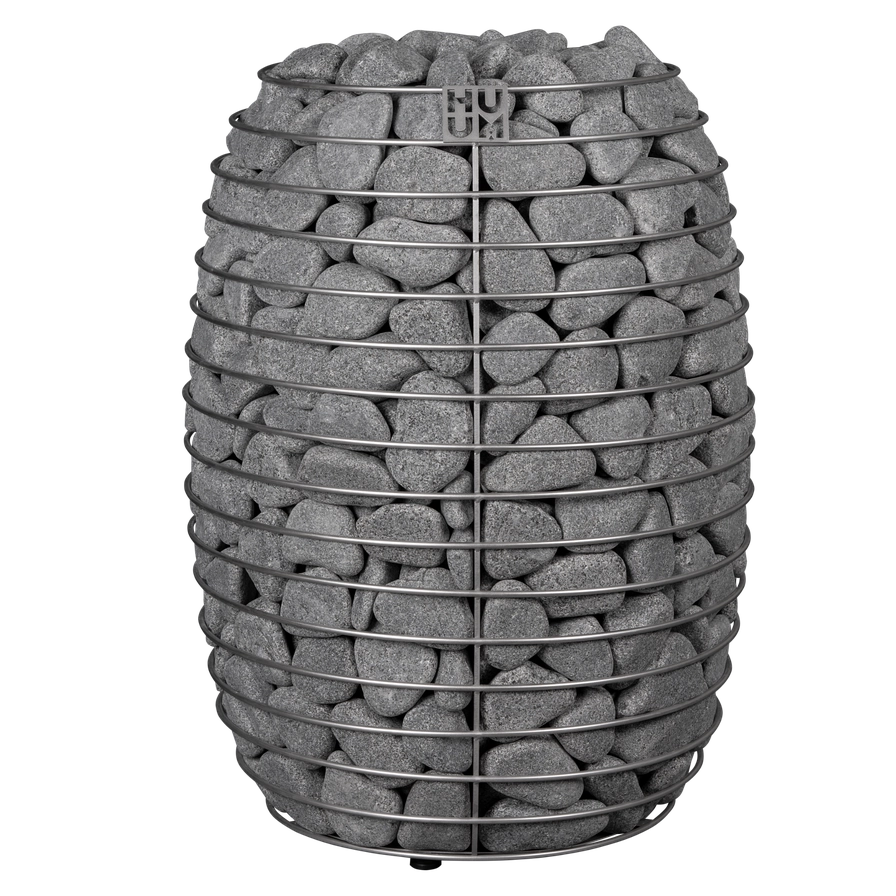
Electric sauna heaters require a reliable electrical supply but reward you with even, consistent heat and typically simpler installation. They’re a strong match for smaller rooms or predictable schedules where you don’t need the sheer output or runtime profile of gas.
Tips & Practical Advice
- Match output to adjusted room volume: start with cubic feet; add for heat-loss (e.g., glass) to keep heat-up times reasonable.
- Plan controls and wiring early: pick compatible wall/external controls and confirm breaker/conductor sizing before install.
- Vent and clearances matter: gas units need correct venting; all heaters need clear airflow paths around rocks and benches.
Benefits
- Right-sized performance: choose gas for high output and long duty cycles; choose electric for steady heat and simpler installs.
- Operational efficiency: align heater type with your utility costs and availability to minimize downtime.
- Happier guests: consistent temperatures and steam quality improve comfort and session turnover.
Frequently Asked Questions
How do I choose between gas and electric?
Start with room size and utilities. Large rooms or limited electrical capacity → gas. Smaller rooms with reliable power → electric.
Can gas heaters run all day?
Many commercial gas setups support extended runtimes (often with 24-hour timers). Always follow local codes, venting requirements, and manufacturer guidance.
Are electric heaters easier to install?
Often yes, but verify breaker size, conductor gauge, and control compatibility. A licensed electrician should confirm the circuit.
Need Help?
Questions about sizing, placement, or maintenance? Our team will help you choose and set up the right solution for your space—talk to a specialist in minutes.
Prefer to talk? 931-516-6577 • Or use our contact page.