



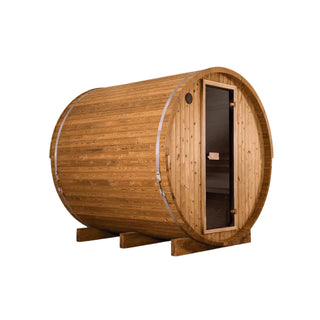


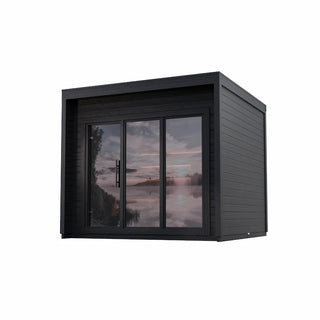


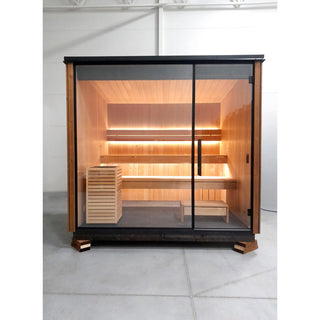
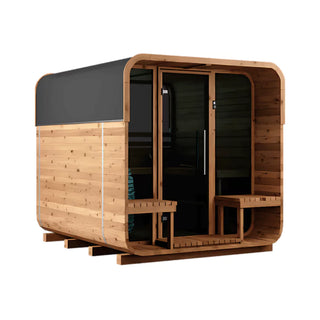


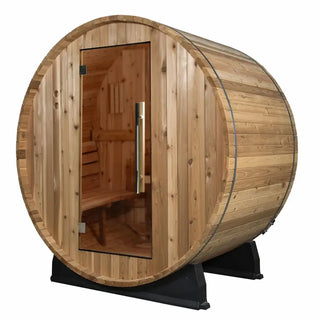
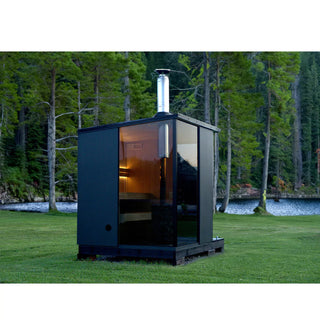
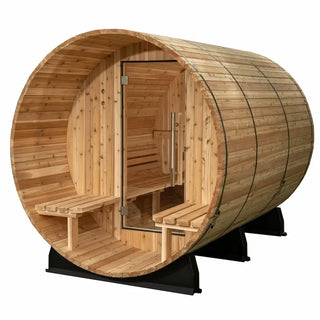
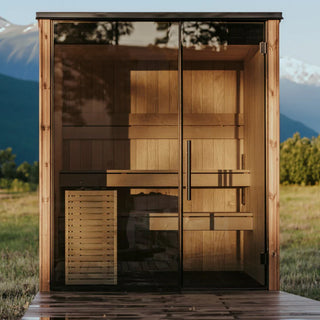
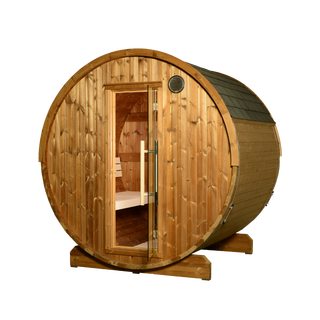
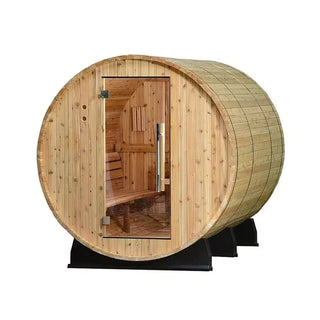
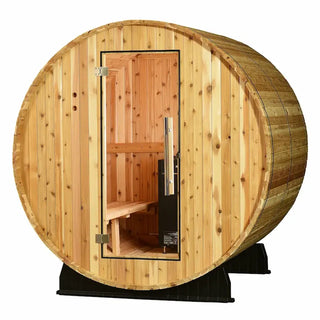


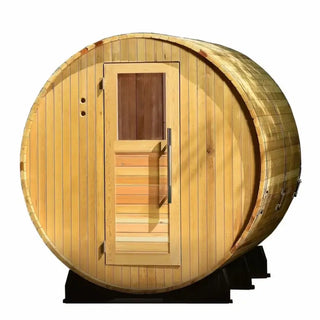

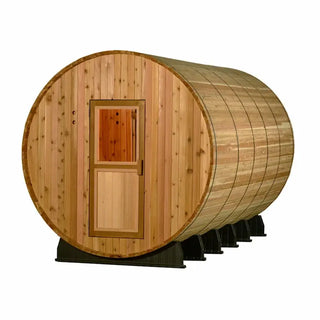
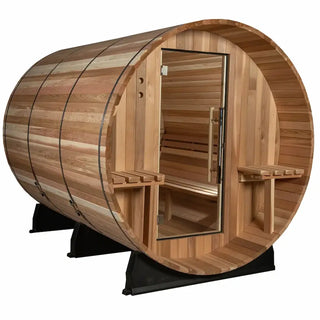
We curated this collection of outdoor saunas to deliver consistent heat in exterior conditions without sacrificing durability. These kits emphasize weather resistance through robust roof packages and exterior wood choices designed to handle seasonal moisture and UV exposure. Whether you prefer a barrel, cabin, or modern cube, our goal is to provide a backyard retreat that heats efficiently, holds temperature reliably, and stands up to real outdoor life.
- Outdoor-Grade Materials: We prioritize exteriors and roofs selected to handle rain, snow, and sun while maintaining structural stability.
- Shape and Footprint Flexibility: Choose between cube-style cabins, square designs, and barrel profiles to match your landscape and heat preferences.
- Heater Compatibility: Our models are built around properly sized electric heaters, with some supporting wood-fired setups where clearances allow.
- Comfort-Driven Interiors: We use sauna-grade woods and ergonomic bench layouts to ensure comfortable seating and consistent heat zones.
- Weather Considerations: Roof systems (EPDM, bitumen tiles) and insulation options improve year-round use and heat retention.
- Installation Practicality: These kits are engineered for on-site assembly, making it easier to get materials into backyards with limited access.
Most Common Questions About Outdoor Saunas
Outdoor sauna decisions usually come down to installation planning and weather exposure. The FAQs below cover foundations, electrical requirements, and the basics of keeping an outdoor unit performing well through changing seasons.
Does an outdoor sauna need a foundation?
Yes. A stable, level base is mandatory to prevent structural warping. We recommend a poured concrete pad, paver patio, or a reinforced deck. If you live in a northern US climate with freeze/thaw cycles, ensure your base is prepared to handle frost heave so the door alignment remains true.
Can I put a sauna on my patio?
Yes, provided the patio is level and can support the weight (often 1,000+ lbs). Most concrete or paver patios are sufficient. The critical factor is drainage; ensure water flows away from the sauna base so moisture doesn't wick up into the wood staves or bottom logs.
Do you need planning permission for an outside sauna?
It depends on your local municipality. Most backyard saunas under 120 sq ft are considered "accessory structures" and may be exempt from building permits. However, you must check your local zoning for "setback requirements" (distance from property lines) and any specific HOA restrictions before ordering.
Where is the best place to put an outdoor sauna?
Prioritize a flat spot with easy access to your main electrical panel to reduce wiring costs. Privacy and wind protection are also key; placing the door facing away from prevailing winds helps maintain internal temperature during winter sessions.
Why are outdoor saunas so expensive?
Outdoor units require significantly more material engineering than indoor kits. They use thicker lumber (often Cedar or Thermally Modified wood) to resist rot, plus they require weather-resistant roofing materials (EPDM or shingles) and insulation to battle the elements, which naturally drives up the manufacturing cost.
Is it worth getting an outdoor sauna?
Yes. The connection to nature and the ability to step outside for a "cool down" cycle creates a traditional thermal experience that indoor setups cannot replicate. It also frees up valuable interior square footage in your home.
Are outdoor saunas hard to maintain?
Maintenance is straightforward but necessary. We recommend washing the exterior annually and applying a UV-protective oil to prevent the wood from turning gray. Interiors generally just need to be swept and allowed to dry out completely by running the heater for 15 minutes after you finish your session.
How much does it cost to put a sauna in your backyard?
Beyond the kit price, you should budget for the base preparation and the electrical hookup. The electrician is often the biggest variable; running a 240V hardwire line from your breaker panel to the backyard can range from $500 to $2,500+ depending on the distance and trenching required.
What to know before buying an outdoor sauna?
Confirm you have available amperage (usually 30-50 amps at 240V) in your electrical panel. Also, plan for delivery: these kits arrive in large crates via curbside delivery (liftgate), so you will need a plan to move the materials from the curb to your backyard for assembly.
Are outdoor saunas expensive to run?
For most US users, an electric session costs roughly $0.50–$1.50 depending on your local kWh rates and the outside temperature. Because you only heat the sauna when you use it (unlike a hot tub which runs 24/7), the monthly impact on your utility bill is usually minimal.
Does an outdoor sauna add value to home?
High-quality, permanent structures often add appeal to wellness-focused buyers. However, because many kits are technically "portable" or demountable, they are often considered personal property rather than real estate equity.