











Sauna Heater Size & kW Calculator
Accurate sizing is critical for safety and performance. Use our Sauna Heater Sizer to determine the required Kilowatts based on your width, depth, and height, adjusted for glass and stone heat loss as well as internal or external factors. Guaranteed to deliver 175F in under 45 minutes.
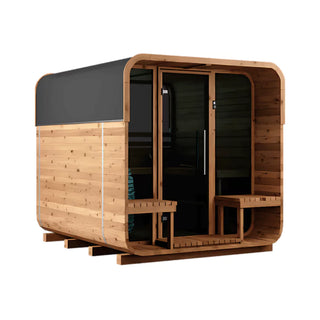
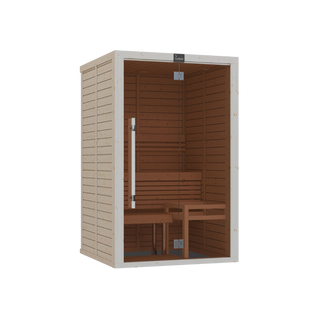
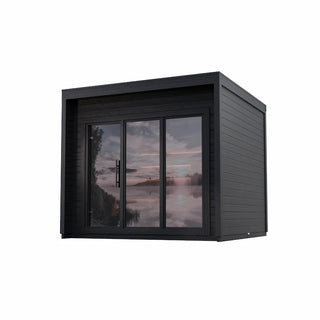
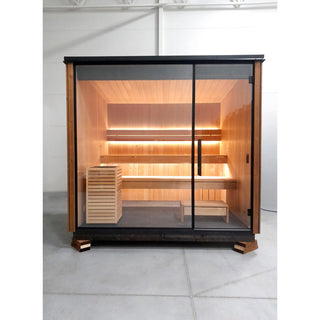
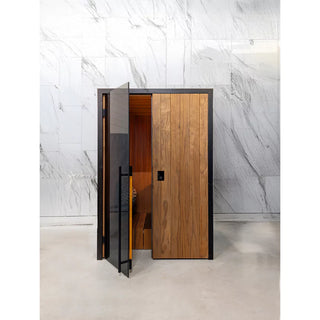
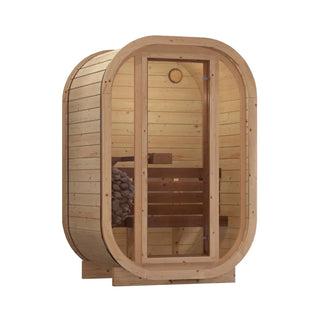
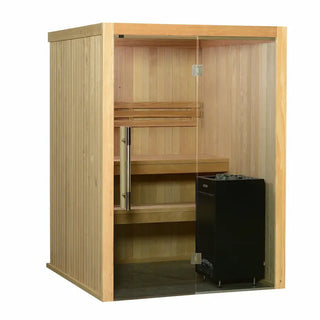
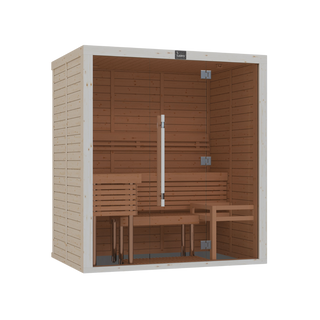
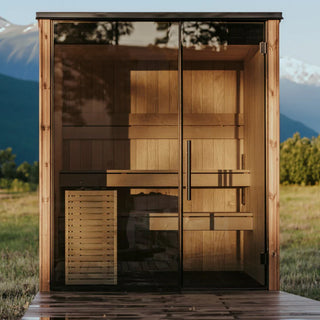
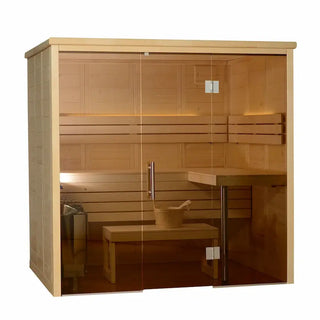
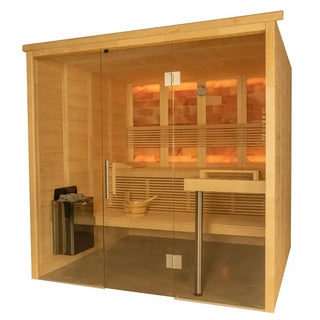
We recognize that a best home sauna is more than a luxury—it is a specialized technical installation that transforms a residential space into a dedicated sanctuary for metabolic recovery. Whether you are integrating a compact infrared unit into a master suite or a multi-level traditional cabin into a home gym, we prioritize designs that maximize thermal efficiency and structural longevity. Our collection is curated to ensure that every home sauna we offer meets rigorous US safety standards while utilizing premium, rot-resistant timbers like ThermoWood and Western Canadian Cedar.
- Residential Electrical Compliance: We focus on saunas engineered for home use, ranging from 120V plug-and-play infrared models to high-performance 240V traditional units that require a dedicated 30-amp or 40-amp circuit.
- Space-Efficient Engineering: We offer a variety of footprints designed to fit existing concrete, tile, or laminate flooring, allowing for seamless integration into bathrooms, basements, or spare rooms.
- Advanced Thermal Insulation: We prioritize saunas with insulated dual-wall construction and thick wooden staves to ensure rapid heat-up times and consistent steam containment within the residential environment.
- Sustainable Nordic Craftsmanship: We utilize specialized materials like Thermo-Aspen and Nordic Spruce that are treated with heat and steam to remain dimensionally stable and cool to the touch.
Most Asked Questions About Best Home Saunas
Choosing an in-home sauna requires careful planning regarding electrical loads, site preparation, and maintenance. We have rewritten these expert answers to guide you through the process of selecting the perfect retreat for your home.
Do you need to install plumbing for an in-home sauna?
We find that most home saunas do not require plumbing. While traditional steam saunas utilize water poured over rocks, they are typically self-contained. However, if you are installing a dedicated steam room or a sauna with a cold-rinse shower set, a professional plumbing connection for water supply and drainage will be necessary.
Is it possible to build a custom sauna room in an existing house?
Yes. We recognize that converting a spare room, bathroom, or basement into a custom sauna is a popular option. This requires careful attention to ventilation, moisture barriers, and electrical capacity, and we recommend consulting with a licensed electrician to ensure the home’s system can handle the additional load.
How much does it cost monthly to operate a home sauna?
The monthly operating cost depends on the wattage and usage frequency. For example, we calculate that a 6kW electric sauna used for one hour daily costs approximately $21.60 per month at average US utility rates. Smaller 2-person infrared units typically range from $25 to $50 monthly.
What makes a home sauna a worthwhile investment for wellness?
We observe that a home sauna provides a dedicated space for deep relaxation, minor pain relief, and improved cardiovascular health. When used in combination with a balanced diet and regular physical activity, it serves as a powerful long-term tool for overall metabolic wellness.
How do you determine if a traditional or infrared sauna is best for home use?
We recommend choosing based on your heat tolerance. For high temperatures and intense, steam-driven sweat, a traditional dry or wet sauna is best. If you prefer a gentler heat that penetrates the body directly at lower temperatures (125 to 130 degrees Fahrenheit), an infrared sauna is the superior choice.
What are the primary differences between indoor and outdoor home saunas?
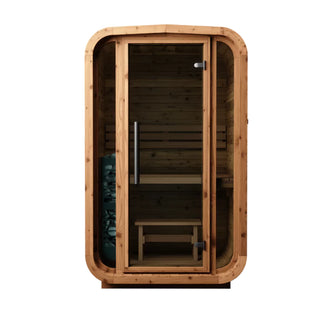
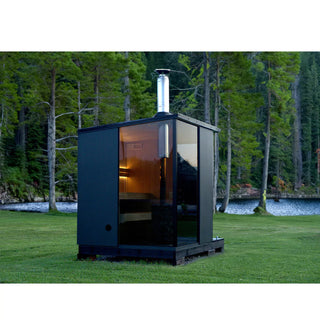
The main difference lies in construction and heating. We find that most infrared saunas are strictly for indoor use to protect the electronics. Outdoor saunas are built with weather-resistant exteriors, such as thermally modified pine or spruce, to handle rain, snow, and sun exposure.
How can you prevent odors and maintain a fresh scent in a residential sauna?
Odors are typically caused by perspiration and moisture. We suggest simple maintenance habits, such as using towels on the benches and ensuring proper ventilation. Regularly wiping down wood surfaces helps keep the environment fresh and healthy for every session.
What technical factors contribute to the price of high-end home saunas?
We believe the price reflects the quality of materials, such as "Clear" grade knot-free woods and thick tempered glass. Additional costs often include specialized electrical work, advanced digital control systems, and custom architectural features that increase structural durability.
What is the recommended maintenance routine for an in-home sauna?
Maintenance is straightforward. We recommend a 60-second routine: after each session, the last person out should use a hand brush dipped in plain water to quickly scrub the benches and backrests. This prevents moisture from soaking into the wood and preserves its natural appearance.
What is the average price range for a professional home sauna installation?
The total cost for a home sauna generally ranges from $3,000 to $25,000. This depends on whether you choose a modular DIY kit, which saves on labor, or a fully custom-built installation utilizing premium materials and professional contractors.
What is the expected lifespan of a quality home sauna cabin?
We prioritize builds that offer decades of enjoyment. A well-maintained home sauna using high-quality materials should last between 15 and 20 years. Factors like the type of timber used and the frequency of cleaning will significantly influence its overall longevity.
Are building permits required for installing a sauna inside a US residence?
We always advise checking your local building codes before installation. Most US jurisdictions require a building permit for electrical additions to ensure the sauna meets necessary safety standards, particularly for 240V high-wattage heaters.
What are the most important features to look for when choosing a sauna for your home?
We suggest focusing on heating technology (traditional vs. infrared), the capacity needed for your household, and the available location. You should also assess the wood grade for durability and factor in the long-term operating costs and safety certifications.