


Use a simple BTU sizing method for gas sauna heaters—start with cubic footage, then adjust for glass, insulation, and cold climates so your sauna heats fast and stays hot.
Key Takeaways
- BTUs measure heat output—more BTUs generally means faster heat-up and stronger recovery when the door opens.
- Start sizing from sauna volume: a practical baseline is ~50 BTUs per cubic foot, then refine for real-world heat loss.
- Glass and winter conditions can change the requirement quickly—plan adjustments so the sauna stays consistently hot.
Deep Dive
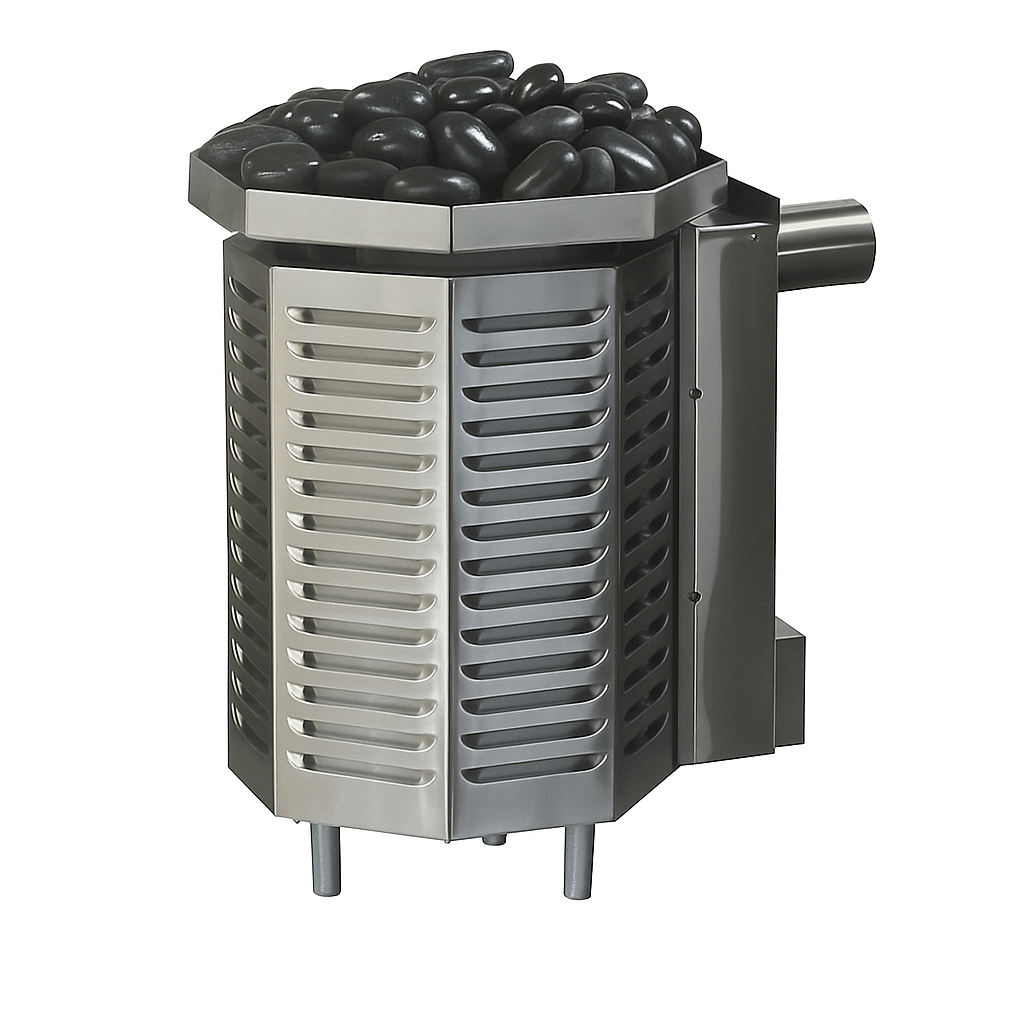
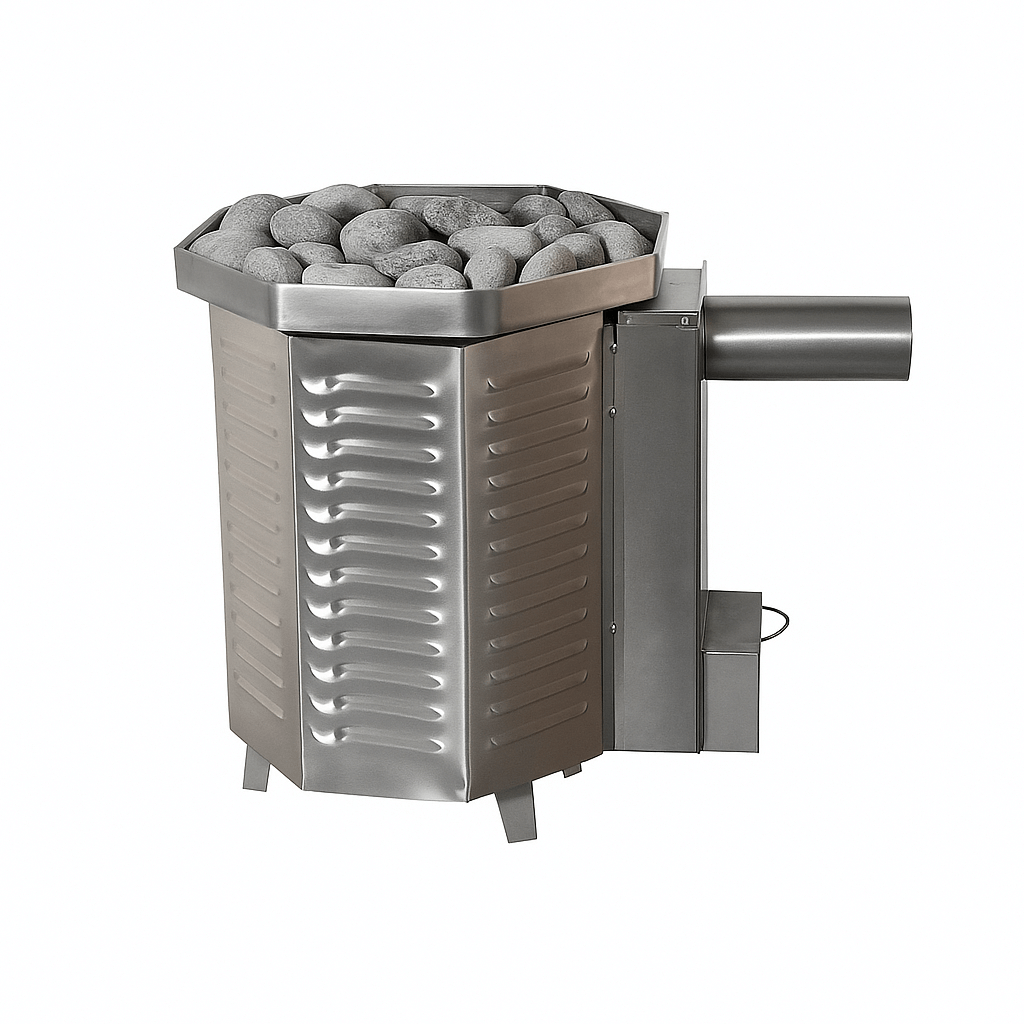
BTU stands for British thermal unit, and it’s a straightforward way to think about how much heat your gas sauna heater can deliver. In practical terms, the higher the BTU rating, the more quickly your heater can warm the room—and the easier it is to maintain temperature when you crack the door or add fresh air.
A reliable starting point is sizing from volume. Measure your sauna’s width, depth, and height in feet and multiply them to get cubic feet. Then multiply by about 50 BTUs per cubic foot. For example, a 6 ft wide × 5 ft deep × 7 ft tall sauna is 210 cubic feet. 210 × 50 = ~10,500 BTUs as a baseline—before you account for construction details.
Tips & Practical Advice
- Start with the room size. Cubic footage is the foundation; once you have it, the baseline BTU estimate is quick and repeatable.
- Adjust for materials and heat loss. Well-insulated builds and dense woods (like cedar or thermally treated pine) help retain heat, while large glass areas let heat escape faster.
- Account for conditions and labels. Outdoor installs, windy exposures, and cold climates may need an extra buffer (often an additional 1,000–2,000 BTUs). If a heater is listed in kilowatts, use 1 kW = 3,412 BTUs to compare apples-to-apples.
Benefits
- Faster heat-up: Proper BTU sizing helps your sauna reach temperature efficiently without struggling.
- More stable sessions: A correctly sized heater maintains heat better during normal use (door openings, ventilation, and water on stones where applicable).
- Fewer “almost hot” problems: Planning for glass, insulation, and winter heat loss reduces the chance of underpowered performance.
Frequently Asked Questions
Is “more BTUs” always better for a gas sauna?
Not always. Extra capacity can help in cold climates or high heat-loss builds, but the goal is a heater that matches your room and construction so it heats predictably and holds temperature without constant overshoot.
How do windows or a full glass door affect sizing?
Glass loses heat faster than insulated walls. A practical rule of thumb is to add BTUs to compensate for non-insulated glass so the heater can keep up when heat escapes more quickly.
How do I compare kW ratings to BTUs?
Use the conversion 1 kW = 3,412 BTUs. This helps when you’re comparing heater specs listed in different units.
Need Help?
Questions about sizing, placement, or maintenance? Our team will help you choose and set up the right heater for your space—talk to a specialist in minutes.
Prefer to talk? (931) 516-6577 • Or use our contact page.