


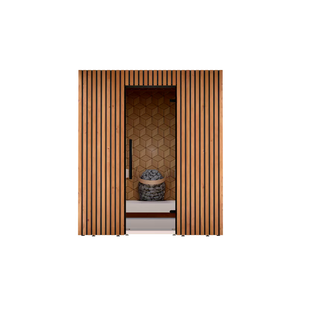

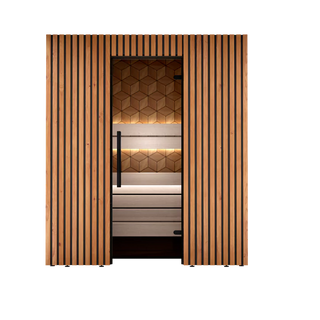


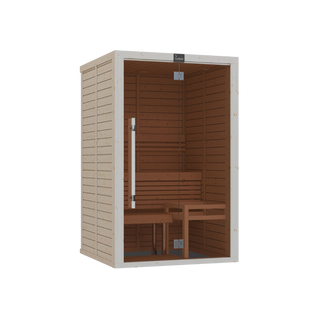
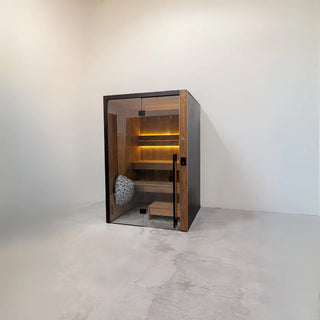

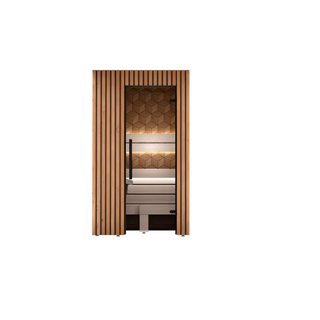
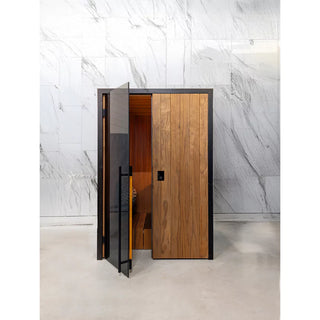
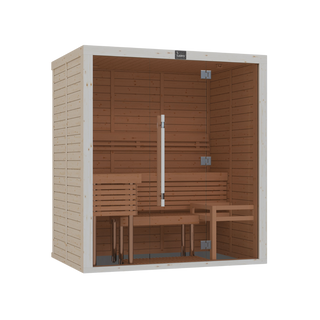
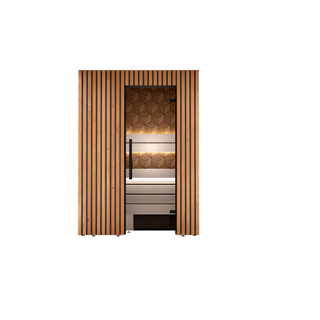
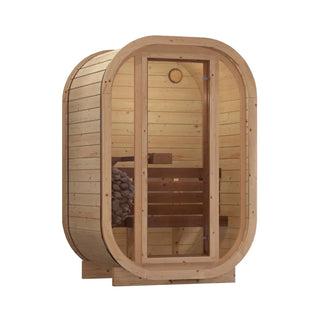
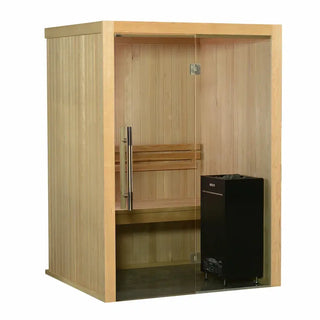

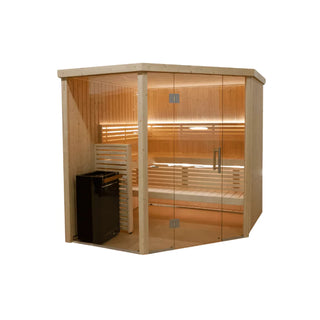
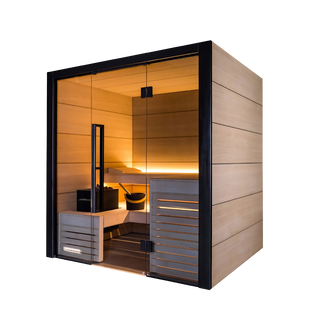
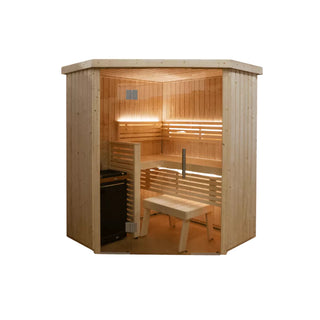
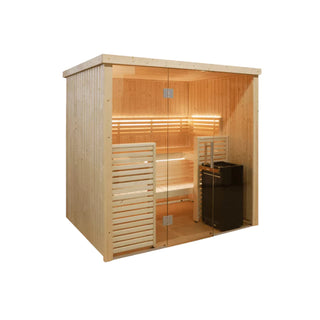
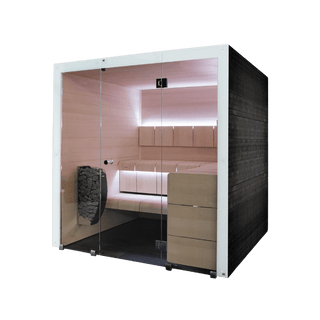
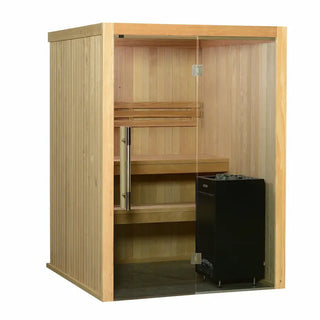
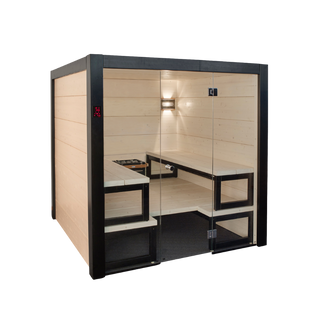

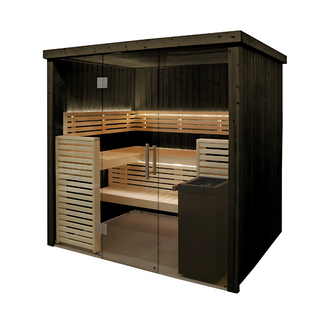
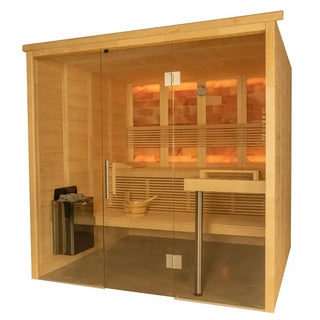
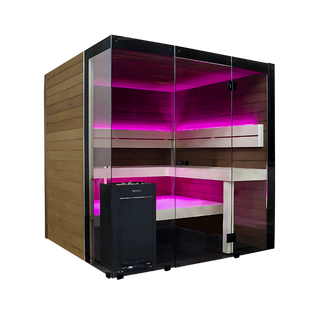
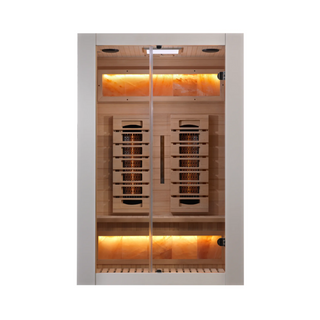
We curated this collection of indoor saunas to provide dedicated heat-bathing spaces without the complexity of a custom build-out. We focus on standalone, prebuilt cabins designed for fast assembly and consistent heat performance. These units integrate naturally into basements, spare rooms, and wellness areas. Across our range, we emphasize sauna-grade wood selection, proper ventilation clearances, and heater compatibility. Whether you prefer a classic Finnish dry sauna or a modern infrared cabin, our goal is to provide a time-saving installation path that prioritizes stability, airflow, and long-term durability.
- Rapid Modular Installation: We prioritize prefabricated wall systems that reduce construction time, allowing assembly in hours rather than days.
- Indoor-Friendly Footprints: We select compact and mid-size cabins that fit common residential layouts while ensuring comfortable seating and headroom.
- Material-Driven Comfort: We use woods like Nordic spruce, ThermoWood®, and cedar for their stability and pleasant touch during heat cycles.
- Ventilation Planning: Proper air exchange and safe spacing from walls are critical for heater performance and breathing comfort.
- Electrical Readiness: Our models are designed for common household electrical requirements, typically requiring a licensed electrician for safe 240V installation.
- Modern Aesthetics: We look for glass doors and clean silhouettes that elevate indoor spaces without feeling industrial.
Most Common Questions About Indoor Saunas
Indoor sauna planning comes down to placement, ventilation, and heater requirements. The FAQs below cover space selection, maintenance, and installation basics to help you plan your project.
Where do I put a sauna in my house?
Basements, spare rooms, or large bathrooms are ideal. The room must have a non-permeable floor (tile or concrete), access to 240V electrical service, and the ability to vent moisture.
Is an indoor sauna worth it?
Yes. Removing weather as a factor makes the routine easier to maintain. Indoor units offer precise temperature control and privacy that outdoor units often cannot match.
What is the average lifespan of an indoor sauna?
With proper ventilation and cleaning, indoor cabins can last 20+ years. The key is allowing the wood to dry completely between sessions to prevent warping or mold.
What is the best type of indoor sauna for home use?
For high heat and steam, a traditional dry sauna is best. For gentler heat and easier electrical installation (often 120V), infrared is the preferred choice.
What should I know before installing an indoor two-person steam sauna?
Steam rooms are much more complex than saunas. They require full waterproofing, a floor drain, plumbing for the generator, and a sloped ceiling to manage condensation.
Do indoor saunas need insulation?
Yes. Insulation retains heat and prevents the sauna from overheating the surrounding room. Prefab kits usually include insulated panels or rely on the natural thermal mass of solid wood logs.
What is the minimum size for a home sauna?
A 4x4 foot footprint is generally the minimum for comfort. While smaller units exist, you need enough depth for the heater clearance and safe bench seating.
Can I install an indoor sauna kit in a small space?
Yes, but measure the delivery path first. The finished sauna might fit, but you need to ensure the large wall panels can navigate your hallways, stairs, and door frames.
Is it expensive to put a sauna in your house?
Costs vary by type. A prefab kit is cost-effective, but you must budget for a licensed electrician to run the dedicated circuit, which can add $500–$1,500 depending on your panel location.
Where should you put an indoor sauna?
Place it where you have adequate ventilation. Leave 2-4 inches of air gap between the sauna walls and your room walls to prevent moisture from getting trapped behind the cabin.
What types of indoor saunas are available for sale?
The three main categories are Traditional (electric heater with stones), Infrared (radiant panels), and Hybrid (a combination of both for maximum flexibility).
Is a sauna in your house worth it?
Yes, if you value consistent wellness. The convenience of having it at home typically leads to more frequent use compared to a gym membership.
What to put under an indoor sauna?
Tile, concrete, or vinyl. Never place a sauna directly on carpet, as it traps sweat and moisture, leading to mold. If you have carpet, install a solid subfloor platform first.