







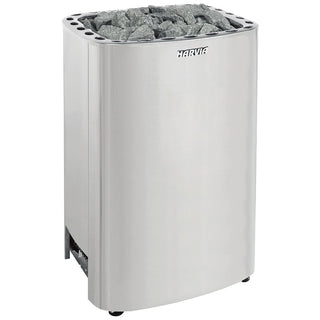
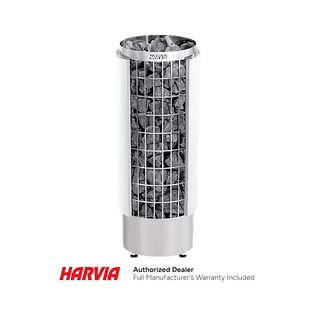
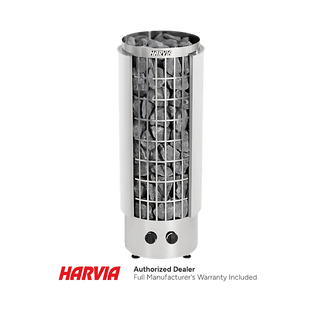

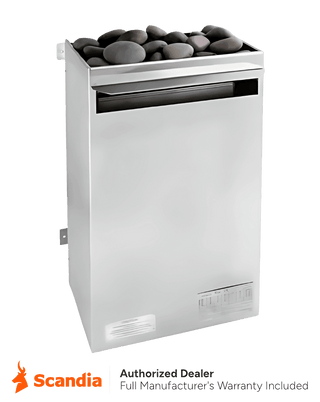
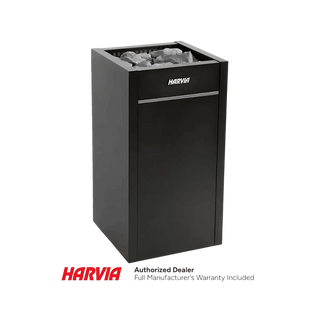
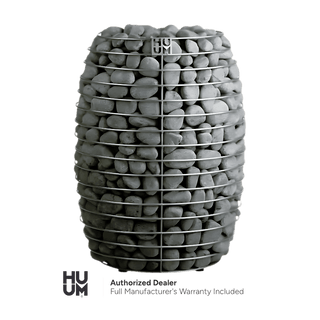
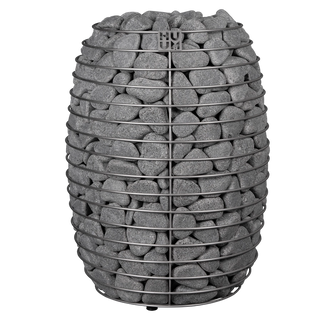
Sauna heaters are the engine of the entire sauna experience, and the right match depends on room volume, insulation quality, heater type, and control style. This collection brings together electric sauna heaters, wood-burning sauna stoves, and specialty options from leading brands such as Harvia, HUUM, Finlandia, Saunacore, Scandia, EOS, and others—covering everything from compact home builds to larger residential or light commercial rooms. Key purchasing decisions typically start with cubic volume sizing, then move to mounting style (wall vs. floor), stone capacity (which influences steam softness and heat stability), and control requirements (built-in controls, external digital controls, or Wi-Fi-enabled setups). When heaters are correctly sized and installed with proper clearances and ventilation, they deliver stable temperatures, predictable warm-up behavior, and the kind of smooth löyly steam that makes a sauna feel “right,” session after session.
- Correct Room Sizing: Heater selection should be based on sauna cubic volume and adjusted for insulation, glass, and masonry surfaces that increase heat demand.
- Heater Type Options: Choose electric for convenience and consistency, wood for traditional fire-driven sessions, or gas where appropriate for specific builds.
- Stone Capacity Matters: Higher stone mass generally supports gentler, longer-lasting steam and more stable heat, especially in frequent-use saunas.
- Control Compatibility: Some heaters require separate controls (digital or Wi-Fi), while others include built-in controls for simplified installs.
- Mounting & Space Planning: Wall-mounted heaters preserve floor area, while floor models can support higher stone loads or different room layouts.
- Safety & Install Requirements: Proper clearances, correct wiring, and licensed installation are essential—especially for higher kW electric units and all wood-burning setups.
Comparing Popular Sauna Heaters
The comparison below highlights several heater models you shared, focusing on power, room size coverage, control needs, and notable build features. Only specifications provided in your product details are included.
| Model | Heater Type | Power / Output | Room Size Coverage | Mount | Controls | Voltage / Phase | Key Feature |
|---|---|---|---|---|---|---|---|
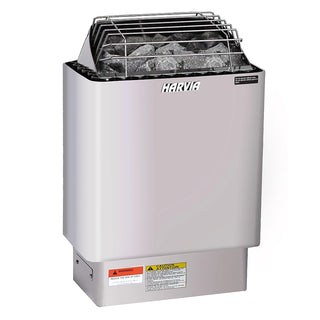
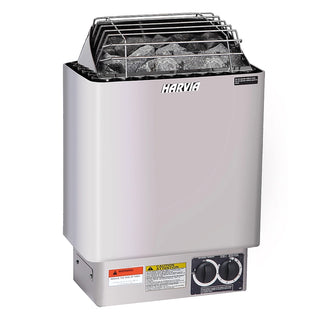
| Harvia KIP80W | Electric | 8 kW | 250–425 adjusted cu. ft. | Wall | Xenio control required (sold separately) | 240V, 1PH (33.3A) | Professional stainless build with large rock capacity for consistent heat |
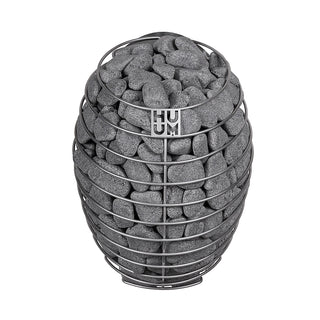
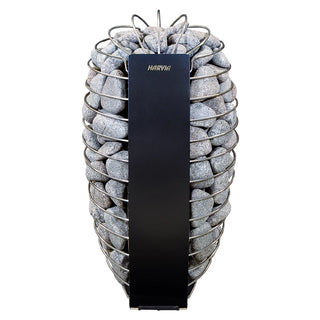
| HUUM DROP 9 | Electric | 9 kW | 282–530 cu. ft. | Wall | Control required; Wi-Fi control option noted; stones required (sold separately) | 240V, 1PH (50A breaker; 37.5A) | Sculptural design with high stone capacity (up to 122 lb) for soft steam |
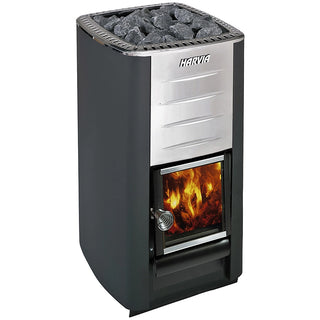
| Harvia M3 | Wood | 16.5 kW | 212–459 cu. ft. | Floor | — | — | Best-selling compact wood stove with glass door and efficient airflow |
| Scandia Ultra 9.0kW (90240 / 90208) | Electric | 9.0 kW | 420–616 cu. ft. | Wall | Controls and stones included | 208V or 240V; 1PH or 3PH options | Flexible voltage/phase wiring with stainless shell and integrated overheat protection |
| EOS Mythos S35 9kW – White | Electric | 9 kW | Up to 494 cu. ft. | Wall or floor (optional stand) | EOS digital controls compatible (sold separately) | — | German-crafted vertical fin design with Three Shelf Technology for even heat |
| Saunacore 6kW ULT Ultimate | Electric | 6 kW | Up to 300 cu. ft. | Wall | Built-in control panel | — | Made in Canada with stainless components and high-limit safety features |
Most Common Questions About Sauna Heaters
Heater questions usually fall into a few predictable buckets: brand selection, correct sizing by cubic volume, installation clearances, and how controls change the day-to-day experience. The FAQs below focus on practical selection and planning—so the heater you choose matches your sauna room and how you actually use it.
What is the best brand of sauna heater?
“Best” depends on priorities, but Harvia and HUUM are consistently popular because they cover a wide range of room sizes and design preferences. Harvia is widely chosen for proven reliability and breadth of models, while HUUM is often selected for modern aesthetics, high stone capacity, and smart-control-friendly setups. For buyers prioritizing specific build requirements, brands like Scandia, Saunacore, and EOS can be strong fits depending on controls, voltage options, and finish preferences.
What size room is a 9kW sauna heater?
A 9kW electric heater is commonly used for mid-size home saunas, and many models list coverage in the roughly 280–530 cubic foot range depending on design, stone mass, and airflow. Insulation quality and heat-loss surfaces matter: large glass areas, masonry walls, or high ceilings can increase the effective “adjusted” volume and may require stepping up in power or improving insulation to maintain comfortable heat-up times.
How to pick a sauna heater?
Start by calculating the sauna room’s cubic volume (length × width × height), then apply manufacturer sizing guidance for that volume. Next, account for heat-loss factors like glass fronts, concrete, stone, or poor insulation—these typically push you toward a higher-rated heater. Finally, choose based on your preferred heater type (electric vs wood), control style (built-in, external digital, Wi-Fi), and whether you want higher stone capacity for softer steam.
How far from the floor should a sauna heater be?
Mounting height depends on the heater model and manufacturer instructions, but many wall-mounted heaters specify a minimum clearance above finished floor to support airflow and safe operation. A common planning rule is to follow the heater’s installation manual exactly, then confirm clearances to benches and combustible surfaces. If your sauna layout is unusual, leaving extra breathing room for airflow can help heater performance and temperature stability.
How to calculate sauna heater size?
Measure interior length, width, and height, then multiply to get cubic feet (or cubic meters). Use the heater manufacturer’s recommended volume range for that model, and adjust upward if your room has significant glass, masonry, or weaker insulation. Many buyers use a quick rule-of-thumb for early planning, then confirm the final match using the heater’s published minimum/maximum volume specs to avoid slow warm-ups or unstable temperature control.
Where is the best place to put a sauna heater?
Heaters are commonly installed on a front wall or side wall to preserve bench space and maintain comfortable circulation patterns. The best placement also depends on door location, bench layout, and required safety clearances. Some sauna designs allow wrap-around benches, but the heater still needs clear airflow and safe distance from seating and combustible materials to perform correctly.
Is huum or Harvia better?
Choose HUUM when modern aesthetics, large stone capacity, and smart-control-friendly design are your top priorities. Choose Harvia when you want a broad range of proven models, strong availability of parts, and traditional Finnish heater design that works across many sauna layouts. Both brands can deliver excellent löyly—your best match comes from room sizing, control preferences, and the look you want inside the sauna.
What is the difference between Harvia Cilindro electric and wood-burning models?
The electric Cilindro models are designed around electric heating elements and are typically paired with compatible controls for precise temperature and timer management. The wood-burning Cilindro models deliver a fire-driven sauna experience and require chimney/flue planning, clearances, and ventilation considerations that differ from electric installs. Both formats emphasize stone capacity and steam character, but installation requirements and daily operation are very different.
How is the steam experience with Harvia Spirit compared to other heaters?
Heaters with higher stone capacity generally produce softer, longer-lasting steam because the stone mass holds heat and supports consistent water evaporation. In that sense, Spirit-style heaters are often compared to other high-stone designs where the goal is gentle löyly rather than sharp bursts of heat. The exact steam feel still depends on stone loading, airflow, and how you pour water during sessions.
What are the advantages of Harvia Spirit over HUUM Drop?
Differences often come down to installation preferences, control options, and how each heater manages airflow and heat distribution. Some buyers prioritize Spirit-style designs for integrated airflow strategies and durability-focused engineering, while others choose HUUM Drop for its sculptural look and very high stone capacity. The best approach is to match the heater to your room volume, desired steam character, and the control setup you prefer.
How does Virta compare to Harvia KIP or Cilindro?
Comparisons between these heater families typically center on stone capacity and heat character. Heaters with larger stone chambers often take longer to heat initially but can deliver steadier temperatures and softer steam once fully warmed. KIP-style heaters are often chosen for straightforward wall-mounted installs, while higher-stone designs like Virta- or pillar-style models are frequently selected when steam texture and long-session stability are the priority.
What size sauna stove do I need for my sauna room?
Start with cubic volume, then adjust for ceiling height, insulation, and heat-loss surfaces like glass or masonry. A correctly sized heater reaches temperature efficiently and maintains stable heat without constantly running at extremes. Too small and warm-up becomes slow and uneven; too large and the sauna can cycle aggressively or feel less controllable—manufacturer sizing ranges are the best reference for a final decision.
What Harvia wood-burning stove models are available and what sauna sizes do they fit?
Harvia’s wood-burning lineup includes compact stoves designed for smaller rooms and larger models intended for higher volumes, with each model listing a recommended sauna size range in cubic feet or cubic meters. The right fit depends on your room volume, chimney planning, and the heat intensity you prefer. For accuracy, match your sauna’s measured volume to the stove’s published minimum and maximum room size guidance.
What sauna room size is the Harvia M3 suitable for?
The Harvia M3 is rated for small to mid-size sauna rooms and is commonly listed for roughly 212–459 cubic feet. Because it is wood-fired, installation must also account for flue/chimney components and safety clearances, which can influence where and how the stove is placed inside the room.
How do I know what heater size I need?
Calculate room volume, then use the heater’s published sizing range and adjust for heat-loss surfaces. If your sauna has a lot of glass, stone, concrete, or higher ceilings, plan for more power than the raw cubic feet suggests. When in doubt, matching the heater to the manufacturer’s adjusted-volume guidance is more reliable than relying on a single rule-of-thumb.
Where are Harvia sauna heaters made?
Harvia heaters are designed and manufactured in Finland, reflecting the brand’s long connection to Finnish sauna tradition. That background shows up in practical design priorities like safe airflow management, durable construction for humid environments, and model ranges sized for many different sauna room volumes.